

A homeowner keeps finding termite activity months after a company charged for a full treatment. An attorney is handed two conflicting opinions about whether a technician followed label instructions. An insurance company needs to know if a claim stems from genuine negligence or an unavoidable outcome. A pest control company wants an outside review of its own file before a dispute reaches litigation. In every one of these situations, the real question is the same: did the pest control company do what a competent operator should have done, given the conditions at the property?
That is the question a standard-of-care evaluation answers. Structural Pest Claim Group provides independent standard-of-care evaluations for property owners, attorneys, insurance professionals, and pest management companies across Georgia. We do not treat pests or apply pesticides, and we are not affiliated with any pest control company or insurer. We review the record, compare it against accepted industry practice and Georgia regulation, and document what we find in language that holds up in claims, negotiations, and legal proceedings.
A standard-of-care evaluation is an independent review of whether a pest control company performed its work according to accepted industry practices and Georgia regulations. We examine inspection reports, treatment records, contracts, WDIR/NPMA-33 forms, service tickets, and supporting documentation to determine if the inspection was thorough, the treatment was appropriate, products were applied correctly, and follow-up services matched the company’s commitments.
Our team compares the documentation against Georgia Structural Pest Control Commission requirements, product label instructions, and established industry standards. If records are incomplete or inconsistent, we clearly identify those issues without making assumptions. You receive a detailed written report explaining what the evidence supports, where deficiencies exist, and whether the company’s actions met the accepted standard of care.

Call or email us with the details of your dispute, whether it involves ongoing pest activity, a treatment concern, or questions about a pest control company’s work.
We examine inspection reports, treatment records, contracts, service tickets, WDIR/NPMA-33 forms, and other relevant documents before reaching any conclusions.
Our team evaluates the records against Georgia Structural Pest Control Commission regulations, product label requirements, and accepted industry practices.
You’ll receive an independent report outlining our findings, identifying any deficiencies, and explaining whether the work met the accepted standard of care.
Structural Pest Claim Group evaluates pest control records for property owners, attorneys, and insurers throughout Georgia, from North Georgia to the coast. We’re familiar with the regulatory environment the Georgia Structural Pest Control Commission oversees statewide, along with the coastal counties’ particular pressure from Formosan termite activity. Outside Georgia? Contact us. We may be available on a case-by-case basis.
When the quality of a pest control company’s work is in question, you need clear, unbiased answers. Contact Structural Pest Claim Group to schedule a standard-of-care evaluation. We carefully review the records, compare them with Georgia regulations and accepted industry practices, and provide an independent report you can rely on.
We proudly serve Vienna and communities throughout Georgia, helping homeowners, attorneys, insurance professionals, and pest management companies make informed decisions with objective documentation.
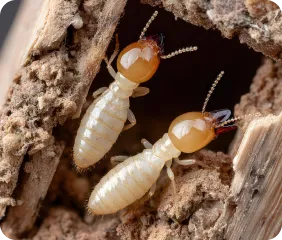
Subterranean Termites

Drywood termites
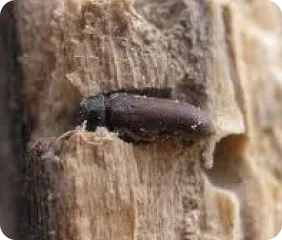
Drywood termites

Wood-decaying fungi

Formosan Termites
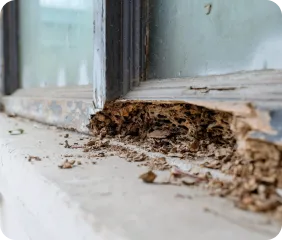
Conditions conducive to infestation

Pest-related property claims
We do not issue legal conclusions about fault or liability. We document whether the actions taken were consistent with accepted practice, which attorneys and insurers then use as part of their own determination.
We can review records from any time period the company or property owner retained, though older files sometimes have gaps that limit what conclusions the documentation can support.
Most evaluations are based on records review, but we may recommend a site visit if the documentation raises questions that only a current inspection can answer.